
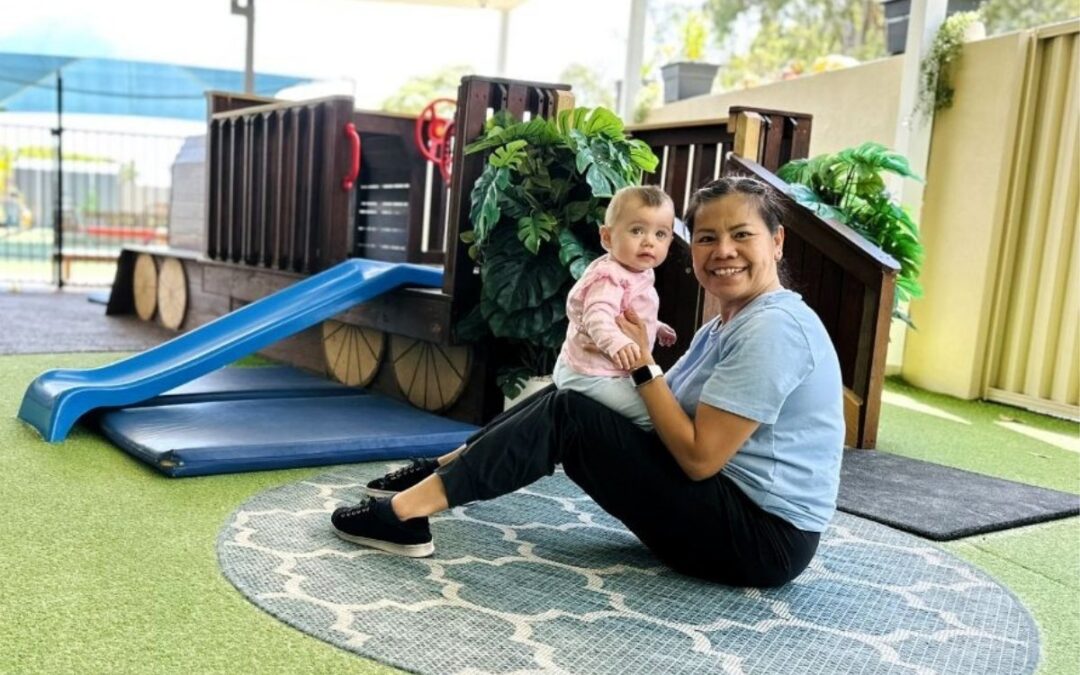
Supporting your child through separation anxiety during childcare drop-offs
If you worry about when the tears during childcare drop-offs are going to stop and if you should take your child out of childcare, you’re not alone. Please know that many young children often experience some separation anxiety as they adjust to a new environment, and the same goes for parents who might feel a tug at their hearts during those morning goodbyes.
How to recognise separation anxiety in babies and toddlers?
Separation anxiety can happen when a child is going somewhere new or when they see you leave. Your child might cling to you, cry, throw a tantrum, or even say they feel unwell, like telling you their tummy hurts.
Typically, separation anxiety peaks between 8 and 24 months, coinciding with the development of object permanence in children. That means they start to realise you still exist even when you’re out of sight.
Separation anxiety during childcare drop-offs.
The good news is: Separation anxiety is a sign of secure attachment to you. Children feel safe with their parents and notice when they’re apart, which is a developmentally healthy experience. While every child adjusts at their own pace, most children settle within minutes after you leave and happily start playing or stay close to an educator for a bit more comfort.
Behind every tear at drop-off is a child learning to trust and build resilience
Practical ways to support your child at childcare drop-offs
There are some strategies you can try for your family to make the childcare drop-offs easier. Here are a few of our favourites:
- Create a childcare drop-off routine: A consistent drop-off ritual, such as a hug or a short phrase (“See you at 4pm!”), or a special wave at the window provides your child with comfort and a clear signal of what’s happening.
- Keep goodbyes short and loving: Long, emotional goodbyes often make the anxiety worse. A calm, confident goodbye reassures your child that you trust the educators and they’re safe.
- Provide options (Montessori-inspired): Give your child a simple choice, such as “Would you like to walk into your room holding my hand or by yourself?” This simple choice will give them a sense of control.
- Name and validate their emotions (EQ practice): Naming, acknowledging, and validating your child’s emotions teaches them to express and regulate their emotions effectively. This builds long-term emotional intelligence. You can, for example, say: “I can see you’re feeling sad that I’m leaving. It’s okay to feel that way. I’ll be back after afternoon tea.”
- Model calmness (co-regulation): Children look to you for cues and guidance. Staying grounded and calm provides emotional co-regulation, which reassures them they’re safe.
- Practice short separations at home: For example, by briefly leaving the room and telling your child when you return.

Book a stay-and-play
Visiting your chosen centre helps your child feel familiar and gives you confidence too — if you’re local, book a stay-and-play with us here.
Supporting parents through childcare separation anxiety
It’s important to remember that separation anxiety can feel just as challenging for parents. Saying goodbye, even for a few hours, is not always easy. At Enrich Early Education, we’re here to support you as much as your child. Educators can send private updates or photos during the day to give you peace of mind and help you feel connected.
The Enrich difference in navigating separation anxiety
Our EQM approach, which blends Emotional Intelligence with Montessori, nurtures the whole child and their family. We empower children to understand and express their feelings. All our educators are trained in Emotion Coaching and help the children find their calm as they start their childcare journey.
Starting childcare is a big milestone for the whole family. We therefore also support parents as they navigate their feelings about bringing their child into care and their child’s separation anxiety. Some ways in which we do that include quick chats after drop-off, quarterly parent-teacher conferences or a one-on-one session with Ellen, our EQ expert.
Looking ahead with confidence and empathy
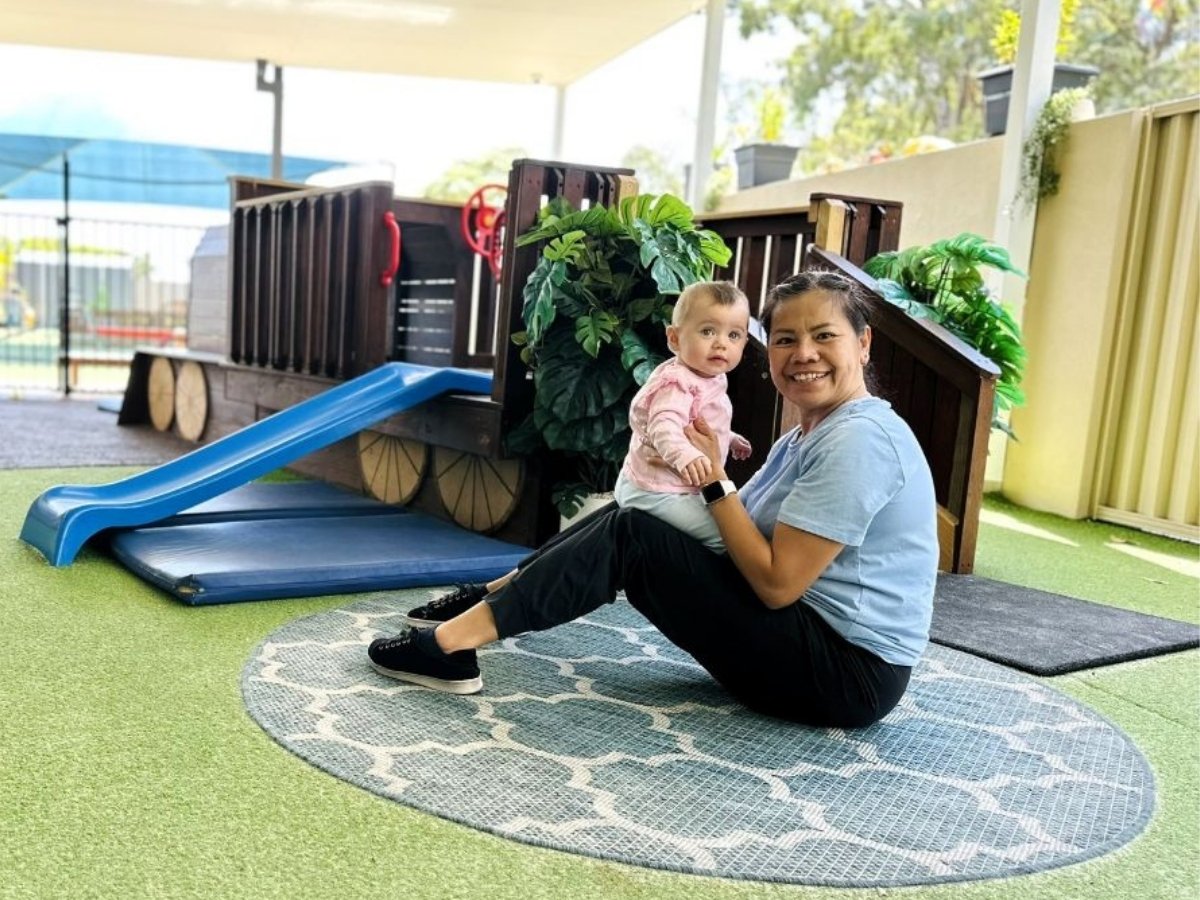
We’ve seen it over and over again: with loving care, patience, consistency, and support, separation anxiety eases. Before you know it, your child will grow to love their childcare days, rushing in to greet friends, explore Montessori-inspired activities, and learn.
FAQ's: How to help your child through separation anxiety during childcare drop-offs
Is separation anxiety at childcare my fault?
No, it’s a normal developmental phase that shows a secure attachment to you as a parent/caregiver.
How long does separation anxiety at childcare last?
Just as every child is unique, so is their experience of separation anxiety. While your child might not experience any separation anxiety at all, most children experience some form of separation anxiety between 8 and 24 months. Most separation anxiety doesn’t last longer than a few days/weeks. If you have any concerns, we recommend chatting with the educators as they know your child best.
Can I sneak away if my child cries at drop-off?
From an Emotional Intelligence perspective, we don’t recommend sneaking away, as it can cause confusion. Our approach to navigating separation anxiety is to ensure a brief and predictable goodbye, as this helps build trust more quickly.
Next up: What to expect during your first day at childcare
When the first day arrives, here’s what you can expect at Enrich.